
Before

After

Digital Revolution in Dentistry: Faster, More Accurate, More Comfortable
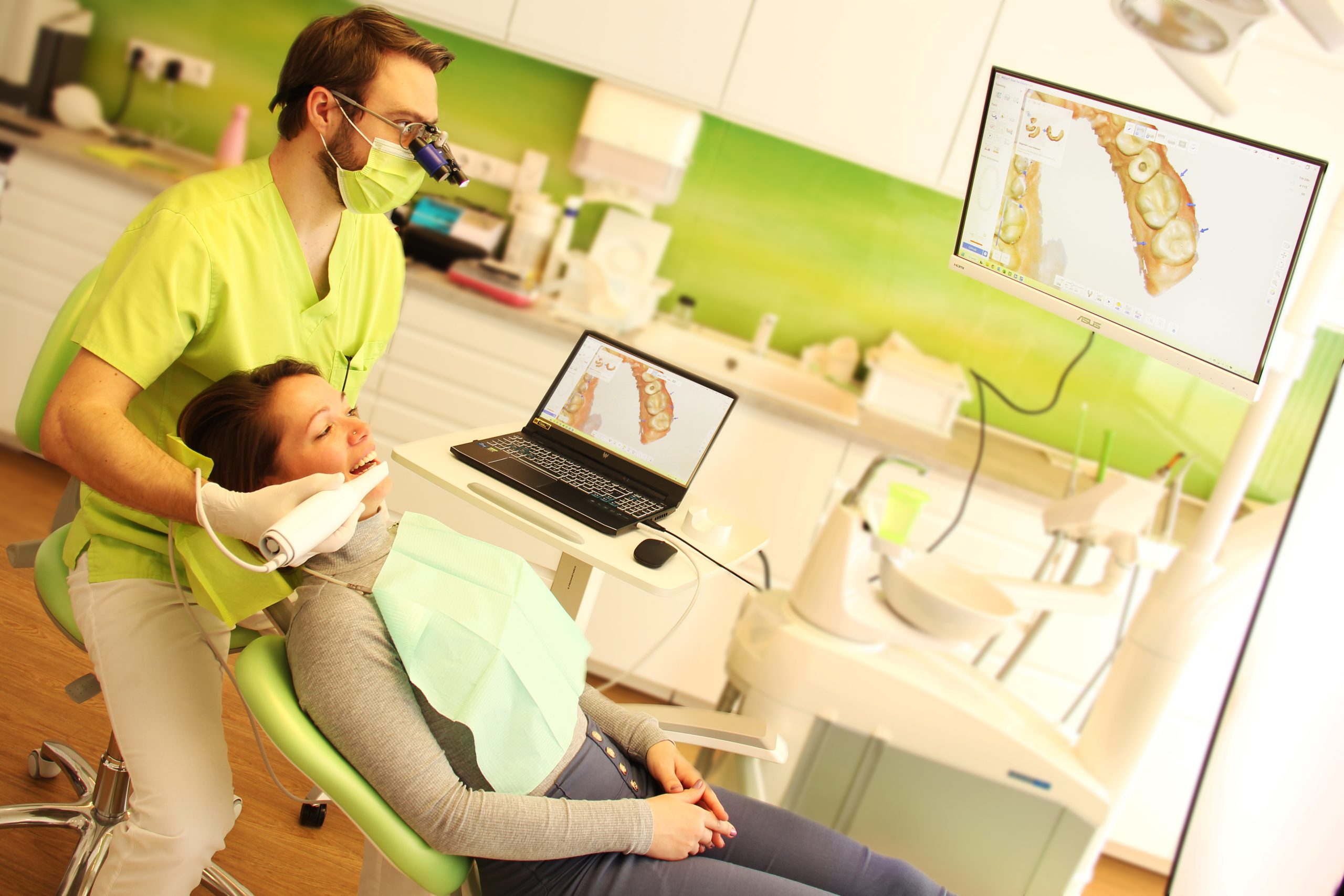
Digital dentistry is bringing about reforms in dentistry that have had few examples before. These procedures can also minimize the discomfort associated with treatments. With the Medit i700 dental scanner, dental impression taking becomes easier in a flash, as the device completely eliminates the main previous discomfort of the traditional procedure, nausea.
The head of the digital scanner is rotatable and takes up barely more space in the mouth than a large toothbrush. It is able to take impressions with great precision, so the dental technician can plan and create even more precise, accurate work based on the data received – also digitally. The dental solutions of the future will certainly give you a reason to smile.
Why is a digital scanner better?
The head of a digital scanner can be rotated and takes up little more space in the mouth than a large toothbrush. It can take impressions with great accuracy, so the dental technician can plan even more precise work based on the data received. The advantages of scanning include real-time image display, so you can immediately see the condition of your teeth on the monitor.
Areas of use: Dentures and crowns
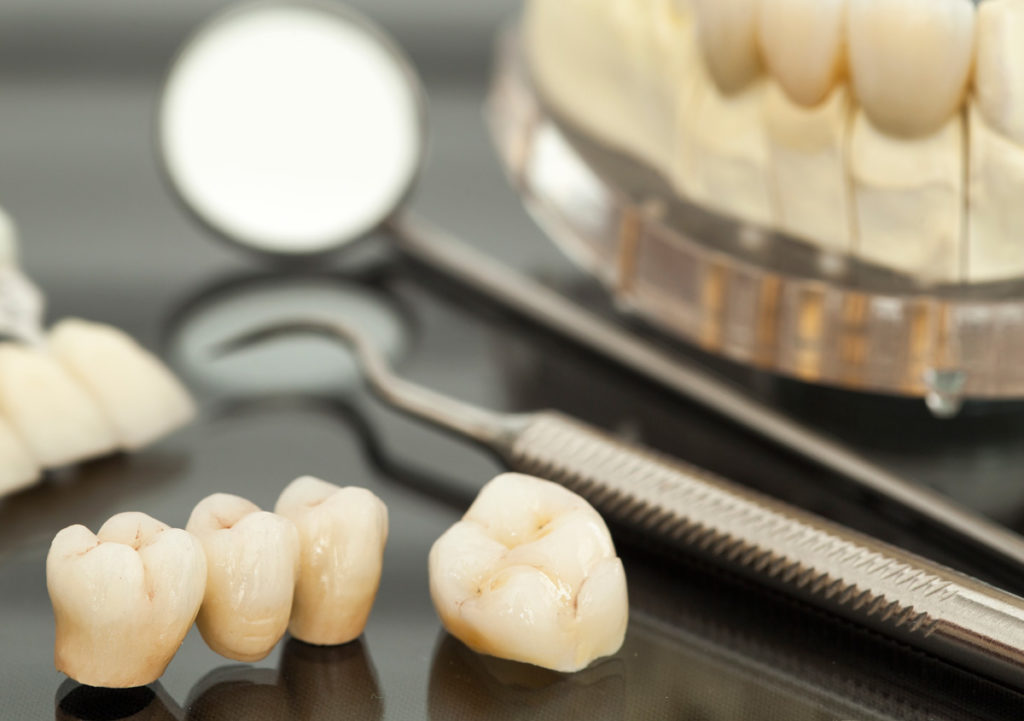
One of the most common uses of digital impression taking is the production of dentures. Whether it’s a single crown, a bridge or even a full ceramic veneer, the dental laboratory can carve the restoration with hundredths of a millimeter precision based on the data sent by the scanner, so minimal grinding or adjustment is required when attaching it.
Modern orthodontic design
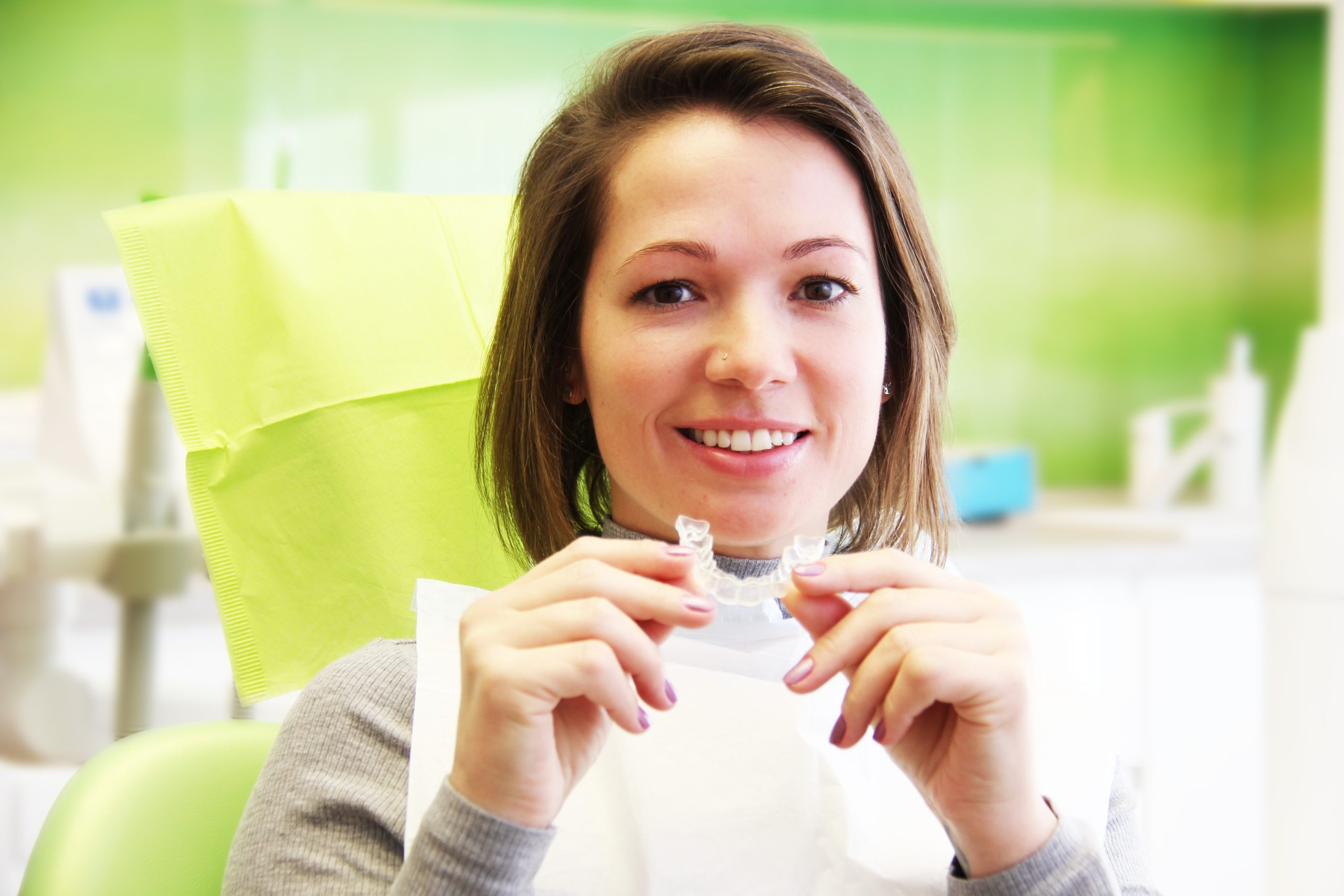
Scanning is now a basic requirement in the field of orthodontics. With the help of digital files, the movement of the teeth can be simulated in software, so the patient can see the expected end result before the treatment begins. This precision is also essential for the production of modern, invisible orthodontic aligners.
Precise diagnostics and archiving
During diagnostics, the scanner allows you to track tooth wear, gum recession or tooth displacement over the years. Since digital models can be recalled and compared at any time, the doctor gets a much more accurate picture of the dynamics of oral cavity changes than based on traditional photos or plaster models.
Implantology and surgical planning
During implant procedures, scanning can be combined with CBCT images. This technology allows the design of surgical templates, which allow the specialist to place the implant in the safest position with pinpoint accuracy, thus shortening healing time and increasing the success of the procedure.
Efficient communication with the lab
The huge advantage of the digital workflow is speed. While traditional impressions have to be delivered to the lab by courier, digital files are transferred with a single click. This is not only an environmentally friendly solution, but it also shortens the time for making dental restorations by days, so you can get your confident smile back sooner.
The dental solutions of the future will definitely give you a reason to smile, as technology now serves your comfort and health at every step. Don’t settle for anything less than state-of-the-art, painless care!
Aesthetics and function: Personalized dental restorations at Smilecraft
When replacing missing teeth, aesthetics and function always go hand in hand. At Smilecraft, we have decades of experience in the field of dental restorations, so we guarantee to all our patients that we will definitely find the solution that best suits their needs.
When making dental restorations, we have the latest digital technologies at our disposal, and our partner dental laboratory uses timeless materials that are the most modern and aesthetic. We only hand over the completed restorations when all of us (patient, doctor and technician) are fully satisfied with the final result.
Fixed solutions: Crowns and bridges
Dental crowns are the solution if the crown part of the tooth is damaged, but the root can still be saved. Our modern materials, such as zirconium or all-ceramic, provide a lifelike and durable replacement. If one or more teeth are missing, we bridge the gap with dental bridges: in this case, we use the neighboring teeth as pillars to fix the aesthetic and stable replacement.
Implant dentures
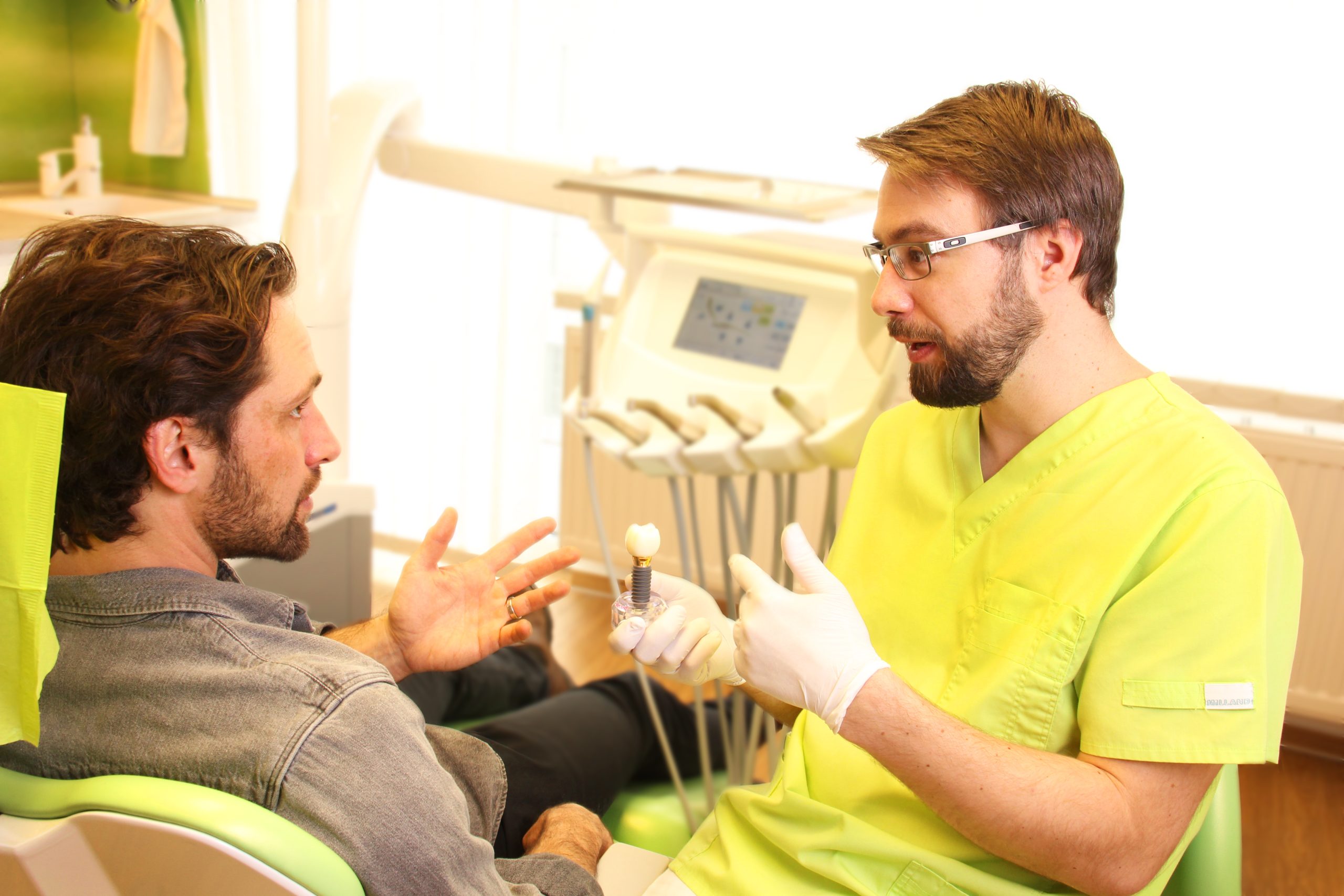
The most modern procedure is dental implantation, where the implant functions as an artificial root. Its huge advantage is that it avoids grinding down neighboring healthy teeth. Fixed crowns and bridges built on implants look and feel exactly like natural teeth, while preventing jawbone atrophy.
Partial dentures
If the patient still has their own teeth, but a fixed bridge cannot be made due to the extent or location of the missing teeth, we recommend partial dentures. These modern devices are attached to existing teeth with hidden clasps or precision elements, thus ensuring a more stable and aesthetic wear than traditional solutions.
Complete dentures and prostheses
In the case of complete edentulism, traditional removable dentures help restore facial aesthetics and chewing function. At Smilecraft, we pay special attention to precise impression taking so that the prosthesis fits the gums as precisely as possible, ensuring comfort and a natural appearance.
High-level stability: The Locator system
The king of removable restorations is the locator denture, which is a combination of implantology and prosthetics. In this case, the denture is fixed to a few implanted implants with special “patents”. This solution eliminates the displacement and wobbling of the prosthesis, so the wearer can eat and talk with confidence, while cleaning remains easy.
Digital precision in design
We create all types of dental restorations using a digital workflow. Scanning and 3D design allow our dental laboratory to produce frameworks and veneers with tenths of a millimeter precision. This technology guarantees that the restoration is tension-free and perfectly fits the patient’s bite height.
At Smilecraft, our goal is for you not to compromise, but to gain a new quality of life. Whether it’s a single crown replacement or a full oral rehabilitation, our expert team and state-of-the-art technological background ensure a lasting and brilliant end result.
The path to the perfect smile: Orthodontics at all ages
A smile is a bridge. – We all know that a smile can connect two people, but it can also create a connection between two strangers. Today, a beautiful smile, “straight teeth”, is not only the privilege of a few, but a service available to almost everyone. Orthodontics can be successfully used not only in childhood, but also in adulthood. Irregular teeth, which are due to heredity and bad habits, can affect not only chewing and speech, but also facial expressions, and can even lead to premature tooth loss.
However, you don’t have to go that far, the basic goal of orthodontic treatment is to create and restore efficient chewing and proper sound production, but of course, a beautiful smile cannot be neglected in the final result. The first and most important step in orthodontic treatment is to take impressions or scan the teeth and take X-rays. Based on these, a diagnosis can be made and a treatment plan can be prepared, which includes what kind of device and how long the treatment will last. Nowadays, we have a wide range of removable and fixed appliances at our disposal, but regular checks and “adjustments” are very important, as this is the only way for these devices to continuously exert their effect. There is also a truly transparent solution: the so-called “invisible” orthodontic treatment is now possible, in which the teeth are moved with the help of special transparent plastic splints, and the patient will have a beautiful smile almost unnoticed.


Orthodontics in childhood: From baby teeth to the transition
Orthodontics in childhood can begin during the baby teeth period if bad habits (such as thumb sucking or tongue thrusting) are present. In this case, the goal is to guide the development of the jaw bones. In the mixed dentition stage – when baby and permanent teeth are present at the same time – we prepare the space for later teeth with removable appliances, preventing more severe crowding.
Adolescence: Optimizing the permanent dentition
As soon as the complete permanent dentition is formed, the emphasis shifts to the precise alignment of the teeth. During this period, the body’s growth is most active, so we can achieve spectacular and lasting results with orthodontic appliances in a short time. A well-chosen appliance helps to avoid adult jaw surgery or tooth extractions.
Adult orthodontics: It’s never too late
Adult orthodontics is now completely natural, and in fact, often an essential part of complex dental treatments, such as before implantation or veneers. In adulthood, due to bone density, the treatment requires more precise planning, but the result is just as stable and spectacular as when you were younger.
Fixed braces
Classic fixed braces (brackets) are the safest solution for more complex tooth movements. Today, aesthetic, tooth-colored porcelain aligners are also available, which are less noticeable than their traditional metal counterparts. These devices work 24 hours a day and, with regular monthly check-ups, continuously guide the teeth into the desired position.
The Invisible Revolution: Aligners
In invisible orthodontics, we move teeth using a series of removable, transparent aligners made of special medical plastic. Since the aligners are almost invisible and can be removed when eating, they are an ideal choice for patients with the highest aesthetic demands and for those who appear in public.
Are you interested in invisible orthodontics? Learn more about the systems we use in this article!
Diagnosis and digital planning
One of the most important steps in orthodontic treatment is an accurate diagnosis. At Smilecraft, we map the teeth with modern digital scanning and X-rays. Based on this, a treatment plan is prepared, which includes exactly what device and how long the process will take, and in the case of invisible splints, we even show the final result in advance.
Orthodontics is therefore not just a matter of vanity, but also a guarantee of long-term oral health. Whether it’s a child’s first removable appliance or an adult’s invisible aligners, our team will guide you on your path to a perfect smile using the latest technology.
Dental Implants at the Advanced Level: A Permanent Solution for Missing Teeth
Many people take advantage of the benefits of implantation after losing a tooth. It is no coincidence, since this method is one of the most modern solutions that can replace the entire tooth. But what is a dental implant? A dental implant is an artificial root that replaces the root of a missing tooth. Dental implantation has a history of more than half a century, and with the spread of digital technologies, this method is also becoming increasingly favorable.
At Smilecraft, we believe that the selection of raw materials is one of the most important steps, which is why we use DIO implants. This device is an American-South Korean development that allows the presence of experience and cutting-edge technology in implants, superstructures, and technical accessories. Dental implantation is now considered a routine procedure, with a success rate of almost 100%. The implantation process is as follows: after the consultation, planning begins. One of the first steps is to take a CT scan to measure the bone supply. This is the basis for selecting the most suitable implant, which is inserted during surgery. This heals for 3-4 months after the procedure. In the meantime, the process of osseointegration also takes place. After healing, an impression is made, based on which the dental prosthesis is made on the previously selected superstructure in the dental laboratory.
Who and when is implantation recommended?
A common question is who can use this procedure. Basically, anyone with completed bone growth (over 18 years of age) and good oral hygiene. Implantation is an ideal solution for the absence of a single tooth, but also for complete edentulism, where it can serve as the basis for fixed bridges or stabilized prostheses. In the case of certain chronic diseases or smoking, more thorough consideration is required, but modern medicine now finds a solution in most cases.
Precision of planning: CT and digital diagnostics
The process always begins with a thorough consultation and planning. As a first step, we take a 3D CT scan, with which we measure the available bone supply and the position of the surrounding anatomical structures (nerves, sinuses) with pinpoint accuracy. This digital background guarantees that the most appropriate size implant is selected and the risks of the surgery are minimized.
When there is not enough bone: Bone Replacement and Sinus Lift
It happens that the bone stock decreases due to the long time that has passed since the tooth was missing. In such cases, there is no reason to worry: we create the necessary basis for implantation with modern bone replacement procedures. We often use Sinus Lift (sinus lift) for the chewing teeth of the upper jaw, during which we increase the bone thickness with a special material so that the implant can be firmly fixed.
The surgical procedure: Painless routine
Many people are afraid of implantation, but it is important to know that the surgery is performed under local anesthesia and is completely painless. Thanks to digital planning, the procedure is fast and targeted. The doctor inserts the artificial root into the bone through a precise incision (or even through a template), then closes the wound with small stitches. Most patients can return to work the day after surgery.
Healing and Osseointegration
After the procedure, the most important stage begins: osseointegration. This is a 3-4 month healing process during which bone cells grow into the surface of the implant, making it part of the body. During this time, the patient must pay attention to a gentle diet and increased oral hygiene. Slight swelling may occur for 1-2 days after surgery, but this will pass quickly.
Preparation of the final denture
After the healing period, the spectacular finish follows. After a small opening, we make an impression (or digital scan) of the implant position. Based on this, the dental laboratory will create the final crown or bridge on the previously selected abutment. The end result is a replacement that competes with natural teeth in both function and aesthetics.
At Smilecraft, implantation is not just a technical process, but also the restoration of your self-confidence and chewing ability. With the most modern tools and expertise, we ensure that your new teeth will be your loyal companions for many decades.
Diagnostics and Oral Hygiene: The Basics of a Brilliant Smile
A smile deserves the best care. At Smilecraft, we consider it particularly important that every tooth receives the proper attention. Whether it is a regular check-up or the need for professional cleaning, we are always at the disposal of all our patients with our utmost expertise.
This is no different in the case of diagnostics and oral hygiene treatments. Based on our decades of experience, we can prepare a comprehensive treatment plan immediately after diagnosis, in which our panoramic X-rays are of great help, and in accordance with the latest trends in modern, digital dentistry, we also use our oral scanner to find the best solution.
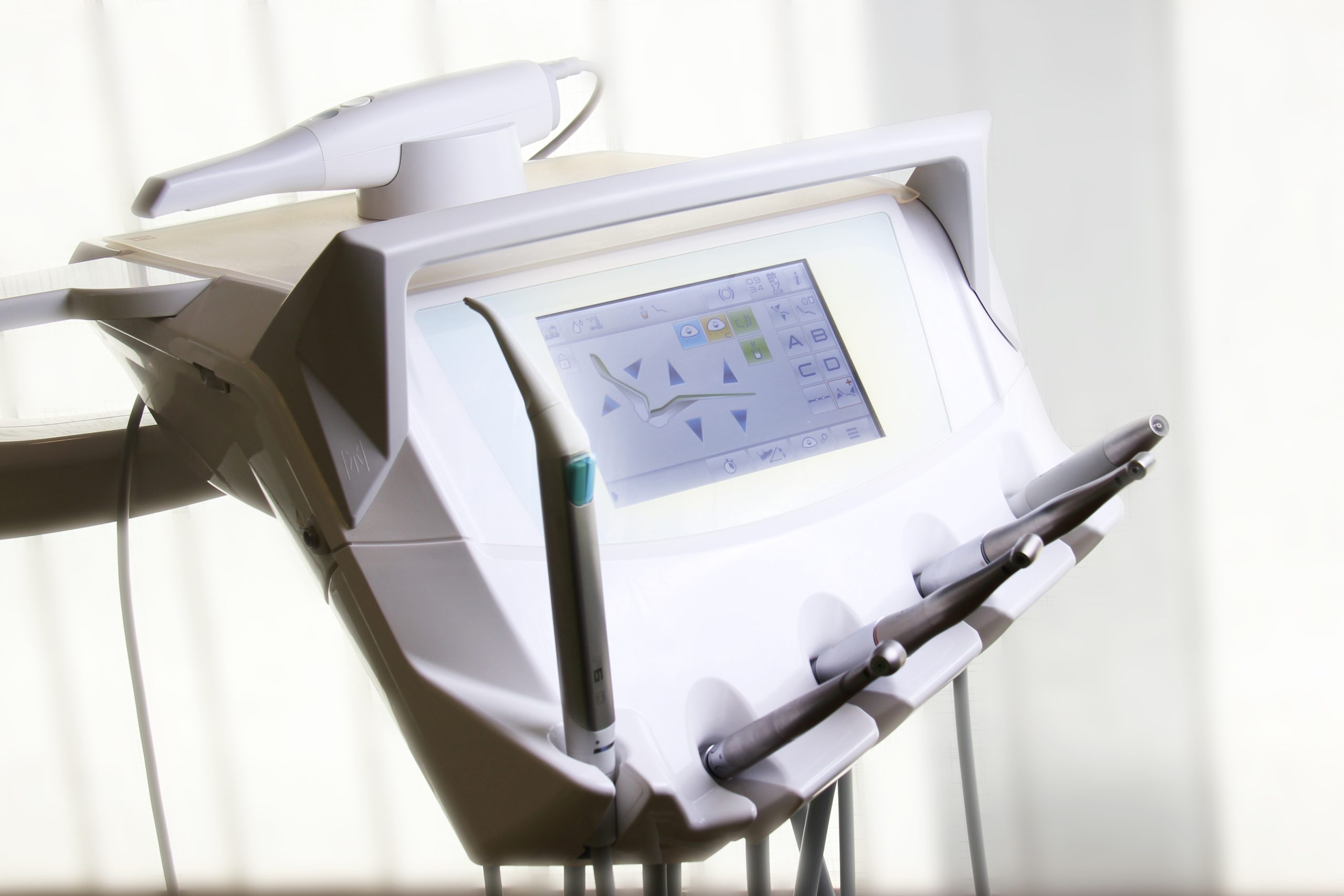
When designing our studio, we strived to ensure that our office has a familiar, friendly atmosphere, and we also took this into account when choosing the equipment. Our Stern Weber chair in the office is multifunctional, so during the consultation the patient can sit opposite us and talk before the treatment, which makes the first visit more direct. For the examination, the chair can be turned 90 degrees, which easily ensures the necessary conditions for the treatment.
Family atmosphere and cutting-edge technology
When designing our studio, we aimed to give our office a family-like, friendly atmosphere, which we also took into account when choosing the equipment. Our Stern Weber chair is multifunctional, so during the consultation the patient can sit opposite us and talk, which makes the first meeting more direct. The chair can be rotated 90 degrees for the examination, ensuring maximum comfort during the treatment.
Professional scaling: The key to prevention
Tartar is not only an aesthetic problem, but also the main cause of gingivitis and periodontal disease. In our office, we use ultrasonic technology to remove plaque and tartar from the tooth surfaces and subgingival areas. This painless procedure refreshes the gums and helps maintain the stability of the teeth in the long term.
Prophyflex treatment: The power of “salt polishing”
After scaling, we apply the Prophyflex procedure, which many people know as “salt polishing”. During this process, we clean the tooth surfaces with a mixture of fine-grained powder and water jets. This technique removes discolorations (traces of coffee, tea, smoking) from even the smallest grooves, so that the teeth regain their natural smoothness and shine.
Shining whiteness: Teeth whitening in an office environment
If you want an even whiter smile, our office teeth whitening offers the fastest and most effective solution. We work under controlled conditions, with a high-concentration material and a special lamp, so that several shades of change can be achieved in just one hour. The process is safe and guarantees spectacular results while protecting the gums.
Convenient solution: Home teeth whitening
For those who prefer a more gradual solution, we recommend the home teeth whitening kit. In this case, a completely unique, precise tray is made for the patient’s teeth based on the digital impression. The professional whitening gel must be placed in this and worn for a few hours a day. This method is also excellent for maintaining the results of in-office whitening.
Personalized oral hygiene advice
At Smilecraft, the treatment does not end with getting up from the chair. Our dental hygienists provide each patient with individual advice on proper brushing techniques, flossing, and interdental brushing. Our goal is to ensure that you can maintain the clean and healthy state you achieve at home for as long as possible.
We believe that regular care is the most rewarding investment in your health. We combine modern diagnostics and gentle cleaning processes so that you can always smile confidently at the world.
Unnoticeable protection for teeth
A dental filling is one of the most common dental procedures. Almost everyone has at least one filling in their lifetime. When is a dental filling needed? If the surface of the tooth enamel covering the teeth or the dentin underneath is damaged, which is often caused by tooth decay. However, missing teeth can also be replaced if the teeth are worn or broken.
Innovation helps professionals in this area as well, as instead of the materials used previously, modern, health-friendly materials are now available. At Smilecraft, we make fillings that are the same color as the tooth and are almost completely invisible.
Why should you not delay treatment?
Dental decay is a continuously spreading process that may be painless at first, but over time it reaches the deeper layers of the tooth and the nerve canal. An aesthetic filling placed at an early stage stops the destruction, preserves the vitality of the tooth, and saves the patient from later, much more complex root canal procedures.
When can an aesthetic filling be used?
Modern composite fillings are excellent for the aesthetic correction of front teeth and for filling small and medium-sized cavities in chewing teeth. Their material is a special, light-curing resin that chemically bonds to the tooth tissue, so it remains stable in place even with minimal drilling, unlike old amalgam fillings.
What can you expect during the treatment?
The procedure is always painless and performed under local anesthesia. After removing the decayed parts and cleaning the cavity, we build up the filling layer by layer. Each layer is hardened with a special lamp, and finally the surface is shaped and polished to the shape of the tooth, so that the bite is comfortable and the surface is silky.
Lifespan of aesthetic fillings
Modern filling materials are extremely durable, their lifespan is an average of 5-10 years with proper oral hygiene and regular check-ups. However, it is important to know that the edges of the filling may discolor or wear out over the years, so we recommend annual checks so that we can update or replace them in time if necessary.
When is the filling not enough? Advantages of Inlay and Onlay
There are situations when more than half of the crown part of the tooth is missing. In this case, a traditional filling no longer provides sufficient stability, and there is a risk of the tooth cracking further. In this case, we recommend inlays or onlays, which are “solid fillings” that the dental technician makes based on an impression and then we glue them in place.
Inlay or crown: What is the difference?
While an inlay replaces part of the tooth in an extremely durable design, a dental crown is chosen when the tooth is almost completely destroyed or has undergone root canal treatment. The crown acts as a “helmet” over the tooth, protecting it from breakage. Smilecraft specialists always recommend a solution that sacrifices the least amount of tooth material, keeping durability in mind.
Smilecraft is committed to quality and unobtrusive dental solutions. With us, functionality cannot be at the expense of aesthetics, so you can be sure that your smile will not only be healthy, but also naturally beautiful after treatment.
Oral Surgery and Focal Disease: Protecting the Health of the Body
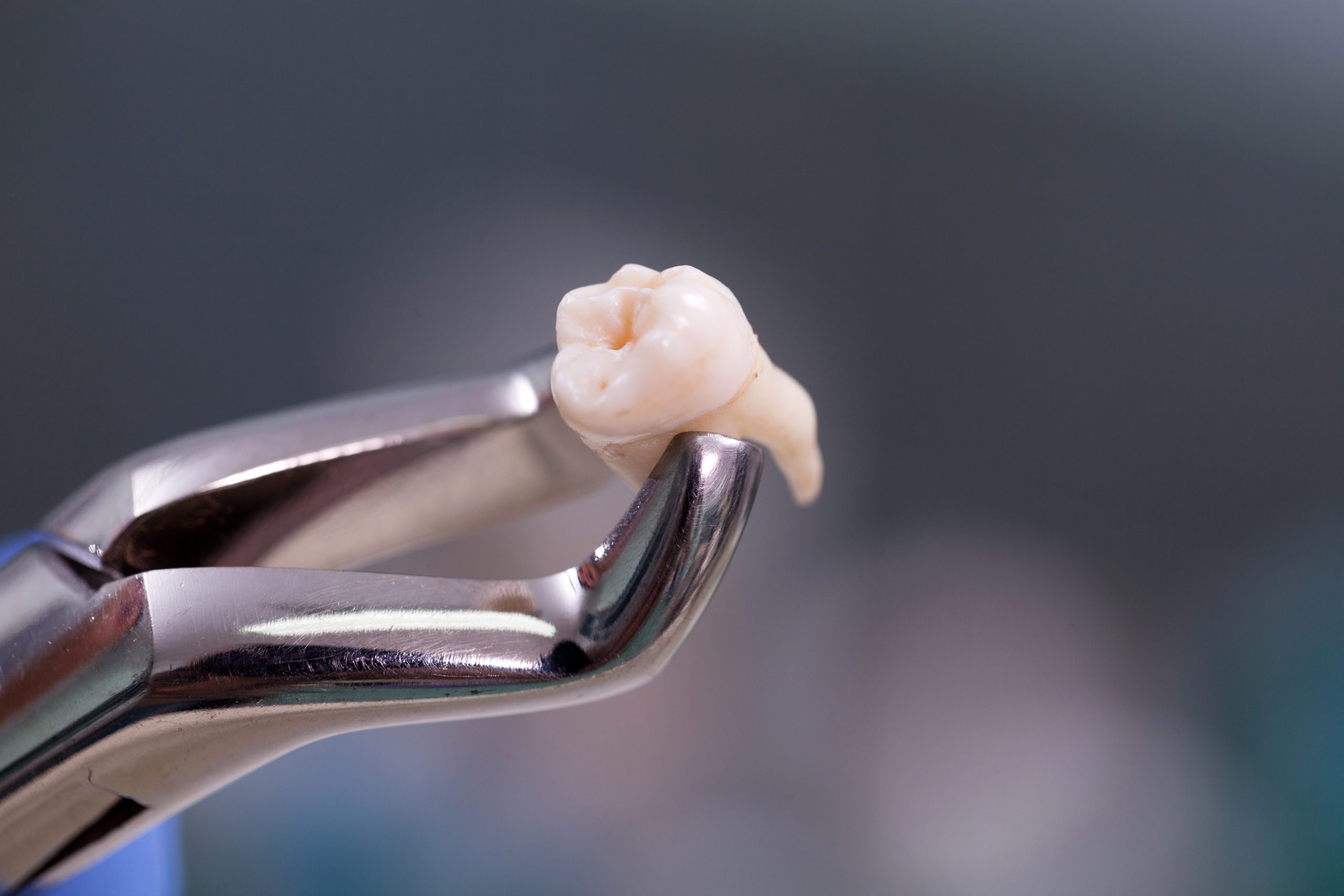
At Smilecraft, we pay special attention to extracting teeth with the least possible bone loss, the reason for this is to ensure the best environment for healing and even later implantation. We know that all oral surgery procedures can be scary, but with our decades of experience, we perform these procedures in the most painless way possible for all our patients.
There are cases when tooth extraction can no longer be avoided – this may be due to the position of the tooth -, for example, if the inflammation around the tooth becomes large. It is also important to learn about the cases when even an asymptomatic tooth can cause focal disease. By the latter we mean when a disease of a given organ or organ system results from an infectious inflammation that has developed at a more distant point in the body. This most often starts in the upper respiratory tract and around the teeth, which is why regular check-ups are important, as this helps to reveal any potential problems in time.
When is tooth extraction necessary?
Tooth extraction is the last resort for a doctor, but in some cases it is unavoidable. For example, in cases of irreparably decayed teeth, teeth that have become mobile due to periodontal disease, chronic inflammation around the root apex, or if the tooth has been so badly broken in an accident that it cannot be rebuilt. In addition, for orthodontic purposes, it may be necessary to remove certain teeth to relieve congestion.
Dangers of impacted, infected teeth
Many people tend to postpone extractions unless the tooth is in pain. However, an impacted, infected tooth is a constant source of danger: bacteria can enter the bloodstream and spread throughout the body. Untreated inflammation also destroys the surrounding jawbone, which later makes it difficult or even impossible to place a denture or implant.
The concept of a dental abscess
A dental abscess is a chronic, often asymptomatic inflammation (e.g., dead teeth that do not respond to root canal treatment, retained tooth roots), from which bacteria and their toxins continuously enter the circulation. This is a kind of “time bomb” that becomes active when the immune system is weakened for other reasons.
Distant effects of abscess disease
A abscess disease is when a disease in a distant organ results from such an infectious inflammation. Dental caries can often cause patchy hair loss, dermatological complaints, joint pain, or even serious cardiovascular diseases. In many cases, these distant symptoms disappear after a successful tooth extraction.
The importance of dental caries research
During caries research, we use panoramic X-rays and a thorough examination to look for hidden problems that do not cause complaints but endanger health. This examination is essential before surgeries (e.g. heart surgeries, joint prosthesis implantation), but is also recommended in all cases when there is inflammation of unknown origin in the body.
The importance of wisdom teeth removal
Wisdom teeth often cause problems: they can become stuck due to lack of space, are difficult to clean, and can put pressure on other teeth, displacing them. The gum pockets that form next to partially erupted wisdom teeth can be a source of continuous inflammation. Their timely and professional removal prevents painful facial swelling and damage to neighboring teeth.
The Smilecraft team strives to ensure that oral surgery is not a bad memory, but the beginning of healing. Regular check-ups help us detect potential problems in time and keep your smile and body healthy.
Positive experiences, healthy adult smiles
We consider it particularly important to make the first check-ups a positive experience for the little ones, as this type of experience significantly influences dental visits in adulthood.
The organization of these treatments is also crucial because, based on them, going for a check-up or a treatment can easily become a routine in adulthood. At Smilecraft, we believe that a sincere child’s smile is the basis of true happiness.
When should we come for the first visit?
Many people ask when the time comes for the first visit. We recommend that they visit us when the first baby teeth appear, but no later than one to one and a half years old. In this case, the goal is not treatment, but getting to know each other: the child explores the environment, the “lift” chair and the doctor, thus preventing the development of anxiety later on.
Brushing teeth from the first moment
Oral care cannot be started early enough: even the first baby tooth that emerges should be cleaned! In the beginning, use a soft-bristled children’s toothbrush or a clean gauze pad. It is important to choose a toothpaste with fluoride that is appropriate for the child’s age, and to brush teeth with parental supervision and follow-up cleaning until the child is in primary school, so that all surfaces are guaranteed to be clean.
The importance of regular check-ups
In childhood, processes occur much faster than in adults. Therefore, for young children, check-ups are recommended every six months, but ideally every 3-4 months. This allows us to detect incipient cavities even when they can be treated with minimal intervention or brushing, avoiding later pain.
Baby tooth fillings: Why is it important to preserve them?
It is a misconception that baby teeth do not need to be filled because they “will fall out anyway”. Baby teeth hold the place for permanent teeth and help the jawbone develop. A neglected, decayed baby tooth can cause pain, inflame the permanent tooth germ underneath, and its early loss can lead to serious orthodontic problems later on.
Baby tooth root canal treatment and aftercare
If the decay reaches the inside of the baby tooth, baby tooth root canal treatment may be necessary. In this case, we clean the infected parts and provide the tooth with a special medicated filling. Our goal is for the tooth to remain in the mouth until the natural change of teeth, performing its chewing and space-maintaining function, sparing the child from the trauma of early tooth extraction.
Prevention at a Master’s Level: Groove Sealing
As soon as the first permanent molars appear (usually around the age of 6), we recommend groove sealing. This is a completely painless procedure, during which the deep grooves of the chewing teeth are coated with a thin protective layer. This prevents food debris and bacteria from settling in the hard-to-clean recesses, thus providing years of protection against cavities.
Playful education in the chair
With us, children are not only patients, but also little explorers. We show them the tools, explain what is happening, and encourage them to cooperate with praise. Patience and kindness are standard equipment for us, as we know: today’s brave child is tomorrow’s conscious adult patient.
Smilecraft is committed to ensuring that children leave the office without fear and smiling. Our expert team and friendly environment guarantee that the little ones’ teeth are in the best possible hands, from baby teeth to adulthood.



The website was created within the framework and with the support of the Demján Sándor Program.